More and more automation manufacturers are using industrial robots to complete tasks, not only improving worker safety but also increasing total output while reducing waste and operating costs. As industrial robots become more prevalent in manufacturing environments, the demand for different types of industrial robots is increasing to suit specific applications and industries. We will discuss what types of industrial robots are available on the market, how they work, and what applications or industries they are typically used in.
Cartesian robots, also known as linear robots or gantry robots, are industrial robots that work on three linear axes and use a Cartesian coordinate system (X, Y, and Z), which means they move in a straight line on 3 axes (up and down, inside and outside, and left and right).
Many manufacturers choose Cartesian robots because of their highly flexible configuration, which gives users the ability to adjust the speed, accuracy, stroke length and size of the robot.
Cartesian coordinate robots are one of the most commonly used types of robots in industrial applications and are often used in CNC machine tools and 3D printing.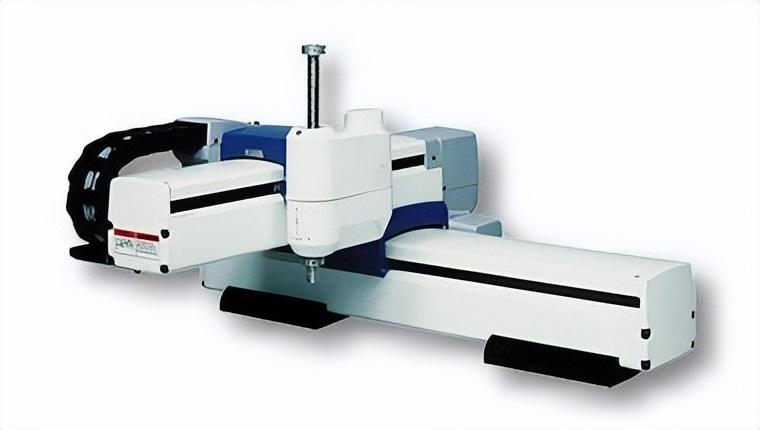
Four-axis robots operate on three axes (X, Y, and Z) and also have rotational motion; It excels at lateral movement and is generally faster and easier to integrate than Cartesian coordinate robots.
Typically, four-axis robots are used for assembly and palletizing, as well as for biomedical applications.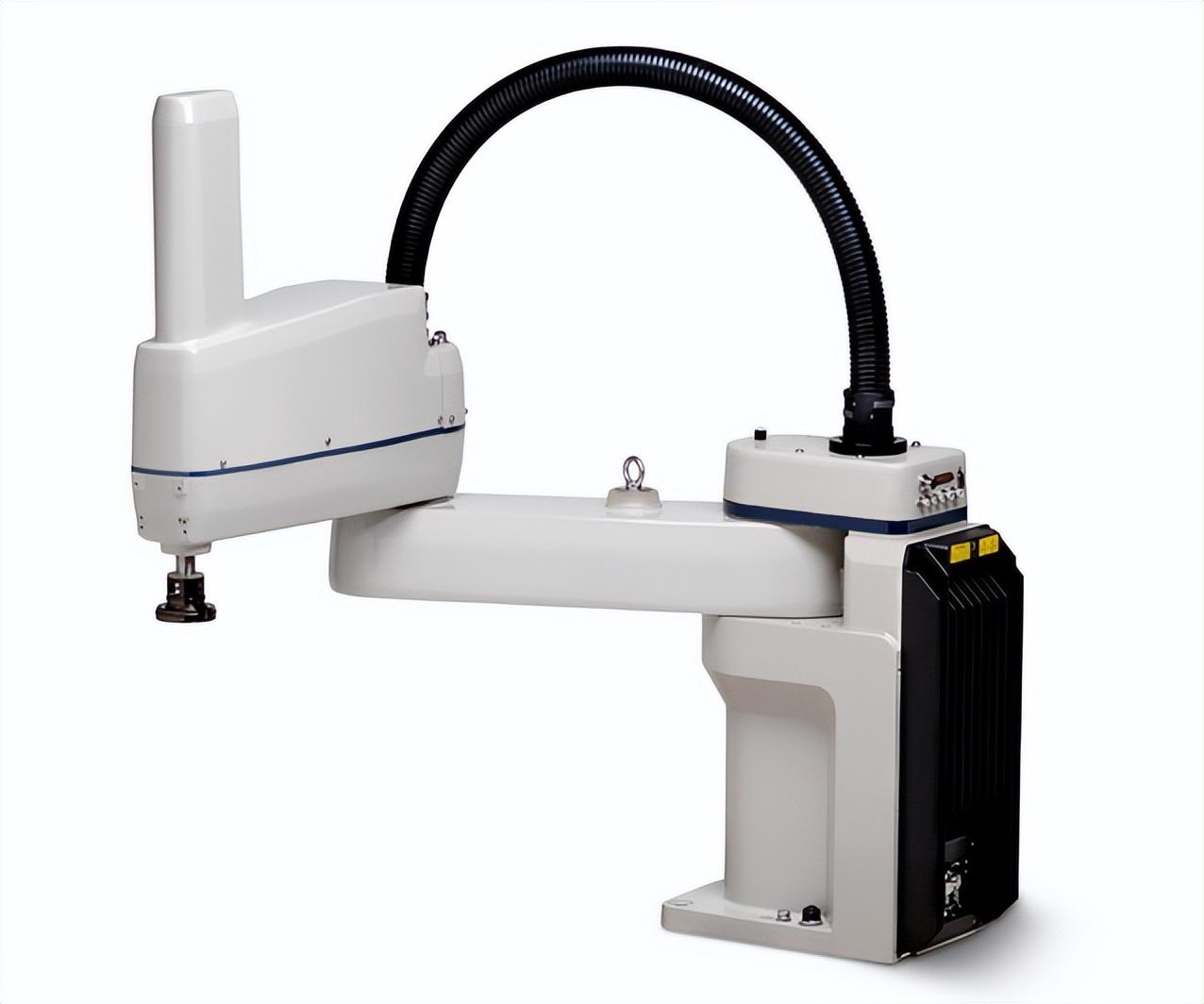
The mechanical movement and structure of the joint robot is very similar to that of a human arm, which is mounted on a base with a torsion joint. The arm itself can have swivel joints ranging from two to ten as axes, with each additional joint or axis allowing for a greater degree of movement.
Most articulated robots utilize four or six axes. Typical applications for articulated robots are assembly, arc welding, material handling, machine maintenance, and packaging.
The cylindrical robot has a rotating joint at the bottom and a prismatic joint that connects the connecting rods. The robot has a cylindrical work bag, which is achieved by rotating the axis and an extendable arm that moves vertically and slidingly.
Due to their compact design, cylindrical robots are often used in tight workspaces for simple assembly, machine maintenance, or coating applications.

The parallel robot has three attached to a single base, which is an arm mounted above the work area. Since each joint of the end-effector is directly controlled by all three arms, the parallel robot works in a dome shape and can move with high speed and precision.
Delta robots are commonly used for fast pick-and-place applications in the food, pharmaceutical, and electronics industries.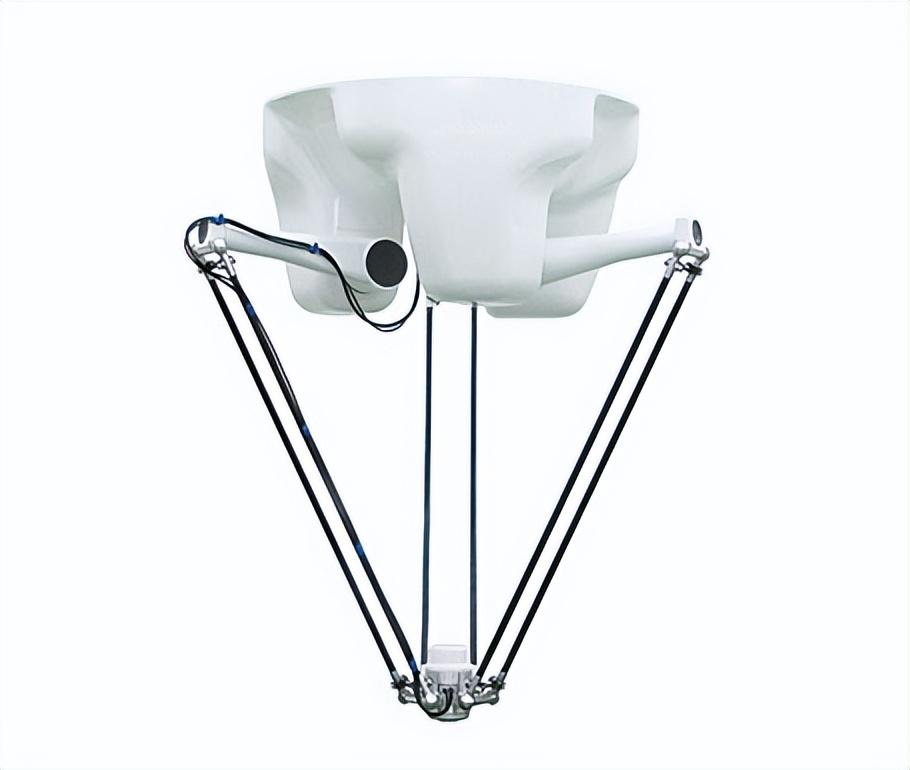
The arms of the polar robot have two rotating joints and a linear joint, which are connected to the base by twisting joints; The axes of the robot work together to form polar coordinates, which allows the robot to have a spherical working envelope.
Polar robots are considered to be one of the first industrial robots to be developed and are commonly used in die casting, injection molding, welding, and material handling.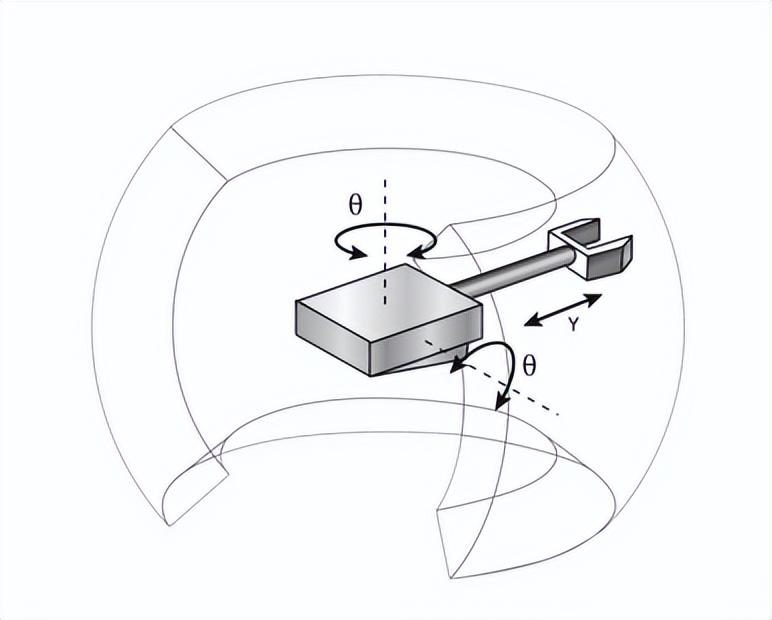
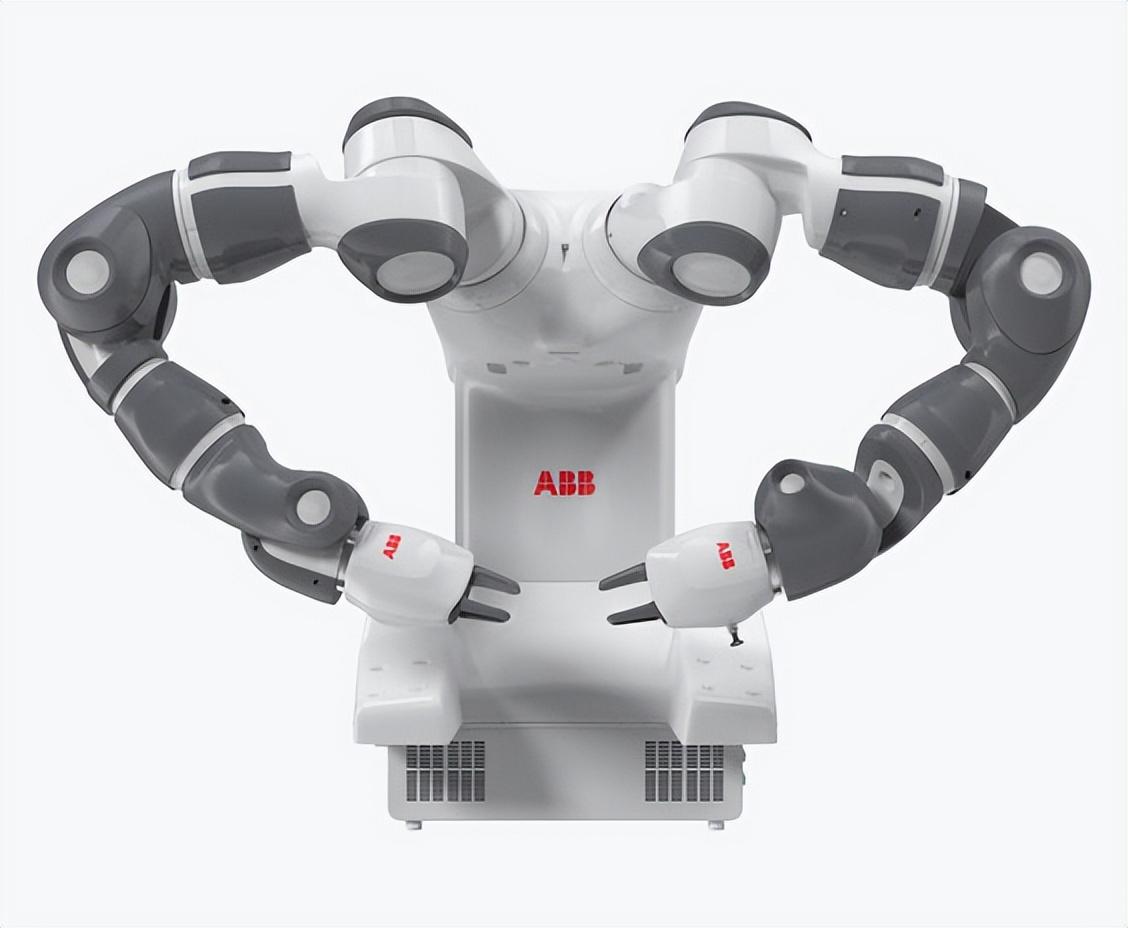
Cobots are robots that can interact directly and safely with humans in a shared workspace. It is more flexible than the traditional six-axis, and the body integrates several sensors to collaborate with people; Typically used for pick and place, palletizing, quality inspection, and machine maintenance.