Insulated gate bipolar transistor (IGBT) is a key component in new energy conversion systems and high-voltage power switchgear, and is also a representative platform device in high-power semiconductors.
Insulated gate bipolar transistor (IGBT) is a key component in new energy conversion systems and high-voltage power switchgear, and is also a representative platform device in high-power semiconductors.
As an important functional device of power electronic control circuit with high heat flux density, most of the failure of IGBT modules is related to thermal faults, and the accumulation of heat will seriously affect the working state and performance of the device, and if the temperature is too high (150°C), it will also pose a serious threat to the normal operation of the entire system module, or even damage. Therefore, it is important to effectively detect and manage IGBTs. Zhenghe Aluminum has professional technical and design engineers for high heat flux components, and can design efficient, stable, compact and lightweight liquid cooling heat exchange solutions for different IGBT projects.
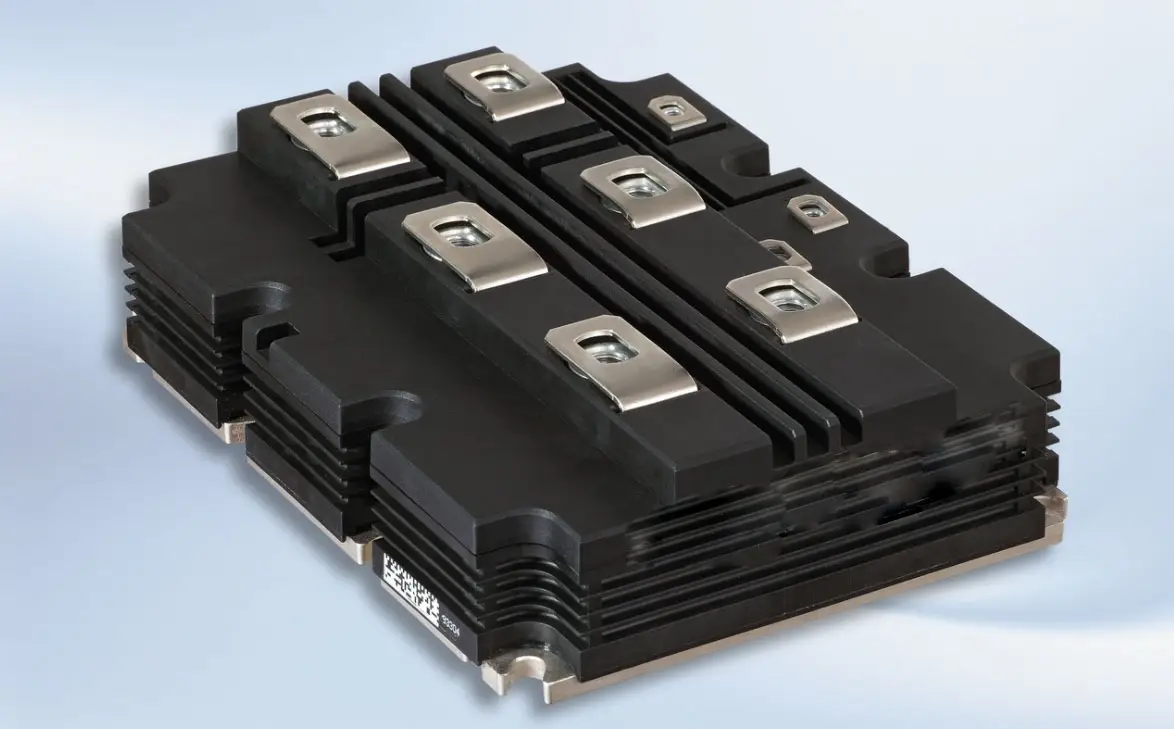
At present, there are two types of IGBT heat dissipation: passive heat dissipation (heat dissipation through natural convection, which can be dissipated into the atmosphere without the help of external forces) and active heat dissipation (such as air cooling or water cooling).
Passive cooling includes:
- Fin heat dissipation: The heat generated by the IGBT will be naturally dissipated by convection through the heat sink fins;
- Heat pipe cooling technology: as a heat pipe of two-phase heat transfer equipment, it has the advantages of low heat transfer temperature difference, high heat transfer performance, high effective thermal conductivity, simple working principle, no mechanical maintenance, and pure simple and easy to operate passive mode (if embedded fins, the heat dissipation efficiency will be greatly improved);
- Heat dissipation based on Phase Change Material (PCM): - A new type of material that uses a substance to release or absorb latent heat during phase change to achieve heat transfer control.
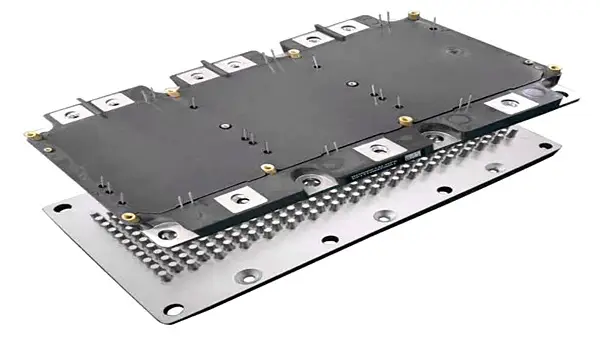
Active heat dissipation is due to the heat dissipation with the help of external force, so it can effectively improve the heat dissipation efficiency of the radiator by 1~2 energy levels, and the cooling speed is faster. However, in different usage scenarios, the appropriate heat dissipation method should be selected.
Active cooling includes:
- Air-cooled heat dissipation technology: to provide sufficient cooling for IGBT heat dissipation needs with high power and heat flux, and the measures to strengthen air-cooled heat dissipation are mainly to increase the heat dissipation area, improve the heat exchange coefficient and reasonably design the air duct, which is related to the radiator material, structure, fins, etc. Compared with the natural cooling method, the heat dissipation of forced air cooling can be increased by 5~12 times. However, it should be noted that forced air cooling needs to be equipped with fans and air paths, which may produce large noise.
- Liquid cooling and heat dissipation technology: When the power of the equipment is very large (under the megavolt-ampere level), limited by the conditions such as air duct, wind pressure and noise index, when the forced air cooling technology cannot meet the higher heat dissipation requirements, water cooling is a good choice, and the heat dissipation coefficient of the liquid cooling plate is about 100-300 times that of natural air cooling. Sometimes, due to the requirements for insulation, oil-cooled heat dissipation is used in high-voltage and high-power power electronic devices.

